 Back to Listing
Arizona public universities deliver innovative solutions to address abandoned mines
Tri-university research partnership delivers new tools to help Arizona manage risks from abandoned mine sites.
New analytical tools developed by Arizona’s public universities are giving state environmental officials a clearer, more comprehensive picture of abandoned mine risks than ever before. The tools are helping Arizona better identify hazards, prioritize cleanup efforts and support long‑term environmental planning across the state.
Funded by a Regents’ Grant from the Arizona Board of Regents, researchers from Arizona State University, Northern Arizona University and the University of Arizona have developed new, Arizona-specific software tools for the Arizona Department of Environmental Quality. The tools will help the agency locate abandoned mines, assess potential hazards and prioritize limited remediation resources to protect public health and the environment statewide.
“Mining has been a major force in Arizona’s growth but abandoned mine sites pose risks to people and the environment,” ABOR Chair Doug Goodyear said. “By working together, our public universities are giving the state better information to support broad environmental planning and tools to protect water, land and wildlife.”
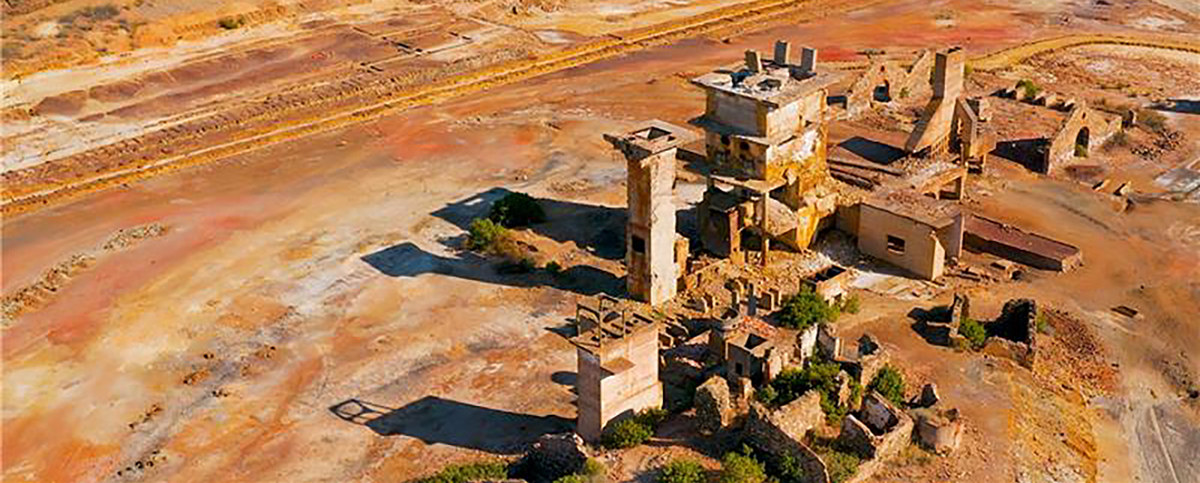
Arizona’s vast mineral wealth fueled economic growth since territorial days, but it also left behind a complex legacy of tens of thousands abandoned mining sites scattered across urban, rural and tribal lands. Many sites were never fully documented, making it difficult for state agencies to locate them and evaluate potential risks to nearby communities and ecosystems.
“This partnership is an important and critical step in developing smarter tools to gain a clearer understanding of where abandoned mines are and what they could mean for the people who live nearby,” said ADEQ Director Karen Peters. “Through this collaboration, we will be able to prioritize cleanups more effectively and act quickly to reduce risks before they impact families and our communities. Our focus is on protecting the health of our neighbors and safeguarding the Arizona we all call home.”
The three-year collaboration brought together researchers from all three public universities and ADEQ to create a clearer, more complete picture of abandoned mine risks statewide. Drawing on decades of historical records and modern data, the team developed a centralized, interactive database that maps abandoned mining sites and shows how they intersect with sensitive landscapes.
Building on that foundation, researchers created a map‑based risk assessment tool that allows agencies to evaluate potential impacts across entire regions rather than focusing on individual sites. By integrating data on population, water resources, wildlife and terrain, the tool helps identify areas where abandoned mine hazards may pose the greatest concern and where attention and resources can make the most difference.
Together, these database and risk assessment tools give ADEQ a broader statewide view of risk, supporting more informed decision-making and helping the agency focus its efforts where they can have the greatest impact.
While the software addresses abandoned mining sites, its value could extend beyond mining to assess other natural and human‑caused hazards. The platform may also support future infrastructure planning, such as evaluating suitable locations for new facilities or data centers.
Funded through the Technology and Research Initiative Fund (TRIF), Regents’ Grants bring together researchers from Arizona’s public universities and state government agencies to tackle pressing challenges of greatest need and interest to Arizonans. You can learn more about the Regents’ Grants program and other projects funded by the board here.
Research contributors from the universities include:
ASU:
- Rolf Halden, principal investigator
- Kerry Hamilton, co-principal investigator
- Otakuye Conroy-Ben, co-principal investigator
- Emma Bonham, doctoral student
- Natasha Ng, master of science student
- Erin Driver, research scientist
- Wesley Terrones
- Rebecca Muenich
- Devin Bowes
NAU:
- Catherine Propper, principal investigator
- Kalai Kollus, doctoral student
- Alejandro Grajal-Puche, doctoral student
- David Folch, co-principal investigator
- Vincent Sutherland, doctoral student
U of A:
- Mark Barton, principal investigator
- Mabel Alsina-Harris, postdoctoral researcher
- Eytan Bos Orent, doctoral student
- Sanaz Salati, postdoctoral researcher
- Julia Nelson, co-principal investigator
- Carson Richardson, co-principal investigator
- Patrick Hellman
- Thomas Meixner, co-principal investigator (in memorium)